
Working in early childhood education can be incredibly rewarding. It can also be demanding.
For some people, the problem is not that they have stopped enjoying working with children. They still value the relationships, the learning and those small moments when a child suddenly masters something they have been working towards.
What they are questioning is whether the environment they are working in still suits them. If that sounds familiar, home-based childcare may be worth exploring.
It is not automatically easier, and it comes with real responsibility. But it is a different way of working in early childhood education, and for the right person, that difference can matter.
What is different about home-based childcare?
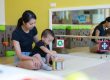
A licensed home-based educator provides early learning and care in a home environment rather than a traditional centre. In New Zealand, a licensed home-based service can provide care for up to four children at a time in one home, subject to age-related and licensing requirements.
This smaller group setting creates a different working environment from a larger centre and gives educators more opportunities to get to know the children in their care.
Learning can happen through ordinary experiences: preparing food, reading together, gardening, drawing, building, talking and exploring.
You may get more opportunity to know each child
One of the biggest differences is the scale.
With a small group, an educator may have more opportunity to understand each child’s routines, personality, interests, comfort needs and way of learning. That does not mean every day is quiet or uncomplicated. Anyone who works with young children knows otherwise. But the smaller environment can allow learning and care to be shaped more naturally around the children who are actually there.
For educators who value close relationships and individual attention, that can be particularly appealing.
The environment may feel more personal
Some educators love the energy and structure of a centre. Others reach a point where they would prefer to work in an environment that feels more personal and less institutional.
Home-based education can offer that. You are still providing professional early childhood education and care, but the setting is a home rather than a centre.
That can suit people who enjoy creating learning from everyday experiences rather than feeling that every activity needs to look like a formal programme.
But you are not simply babysitting
This distinction matters. A home-based educator is still part of the early learning system. There are regulatory, safety, curriculum, documentation and professional expectations.
Qualification and training requirements can depend on the service, the educator’s current qualifications and current Ministry rules. The best starting point is to speak with the provider and confirm what would apply to your circumstances.
So while the setting may feel more relaxed and familiar, the role still carries professional responsibility.
You should not be left on your own
A common concern about home-based childcare is isolation. You may be the only educator physically present with the children during much of the day, but that doesn’t mean you should be working without support.
At Home2Grow, educators receive guidance and support from qualified early childhood teachers, often known as coordinators or visiting teachers. They provide professional advice, help educators understand curriculum and documentation requirements, and offer ongoing support with children’s learning and development.
Although you may be working independently in a home environment, you still have experienced professionals you can turn to when you need advice or assistance.
When comparing providers, this is an important area to investigate. Ask what support actually looks like in practice.
- Does someone regularly visit you?
- Who do you call if you have a concern?
- What professional development is available?
- Are there opportunities to meet other educators?
- Are learning resources available?
- Will someone help you understand compliance and documentation?
The provider behind you can make a significant difference to the experience of working from home.
There is still responsibility and structure
Home-based education should not be viewed simply as an escape from the pressures of centre work. You will still have responsibility for children’s wellbeing, learning, routines, communication with families, safety requirements and professional expectations.
You also need to think about the impact on your home and household. If you are used to finishing work and leaving the workplace behind, working from home changes that boundary.
For some people, that is a major advantage. For others, it may not suit them at all.
So, who could a home-based childcare suit?
It may be worth exploring if you:
- genuinely enjoy working with young children
- value close relationships with children and families
- prefer working with a smaller group
- like the idea of creating learning through everyday experiences
- are comfortable working independently
- can organise routines and records reliably
- have a suitable home environment
- want professional support without working in a large centre setting
You do not necessarily need to already know whether it is right for you. Sometimes the first step is simply understanding what the role actually involves.
It is not about one model being better than another
Centre-based ECE plays an important role and suits many educators extremely well.
Home-based childcare is simply another way of working. The question is not whether one model is universally better.
The better question is: “Which environment allows you to do your best work with children?”
If you still enjoy early childhood education but have started wondering whether there might be another way to use your experience, home-based childcare may be worth a conversation.
Home2Grow supports home-based educators across Auckland with coordinator guidance, resources, professional development and opportunities to connect with other educators.
If you are curious about becoming a Home2Grow educator, get in touch for an initial conversation about your experience, your home and what the role could look like.